

Pricing context current as of October 2026.
Ten years ago a residential roofer could go a whole season without writing a metal scope. Not anymore. Standing seam has gone mainstream on new builds and high-end re-roofs, steel shingles are winning the "looks like asphalt, lasts like metal" conversation, and hail-belt homeowners increasingly ask for metal by name.
Then 2026 happened to the price of metal. Section 232 tariffs on imported steel and aluminum reached 50% in mid-2025, and the fallout kept rolling into this year: NRCA reported aluminum mill shapes up more than 25% year over year in January, distributors flagged steel coil climbing again through the spring, and derivative products — flashing, gutters, fasteners, trim — rose right along with the panels.
So metal is now two things at once: a growing share of residential work, and the easiest roof to lose money on if the estimate is sloppy. Here's how to estimate metal roofs in Xactimate so neither one bites you.
Standing Seam vs. Steel Shingle: The Differences That Change the Estimate
Both are "metal roofs" to the homeowner. To the estimator they're different systems with different scopes:
| Factor | Standing Seam | Steel (Stone-Coated / Stamped) Shingle |
|---|---|---|
| Panel | Continuous vertical panels, concealed clips/fasteners | Modular interlocking panels, often stone-coated |
| Measured in | Panels/squares, plus LF of every trim condition | Squares, plus accessory pieces per detail |
| Substrate | Solid deck + high-temp underlayment, or purlins | Solid deck + underlayment; some systems batten-mounted |
| Trim dependence | Extreme — eave, rake, ridge, hip, valley, sidewall, endwall, transitions are all separate custom pieces | High — ridge/hip caps, starter/eave, gable trim, valley |
| Labor | Specialized; seaming, hemming, panel handling | Closer to shingle crews with training |
| Cost driver | Panel gauge, finish (Kynar/PVDF vs. SMP), and the trim count | Panel system, stone coating, accessory count |
| Repair vs. replace | Panel-by-panel repair is often impractical; mismatched finish/oil-canning fights | Easier spot replacement; cosmetic dent disputes |
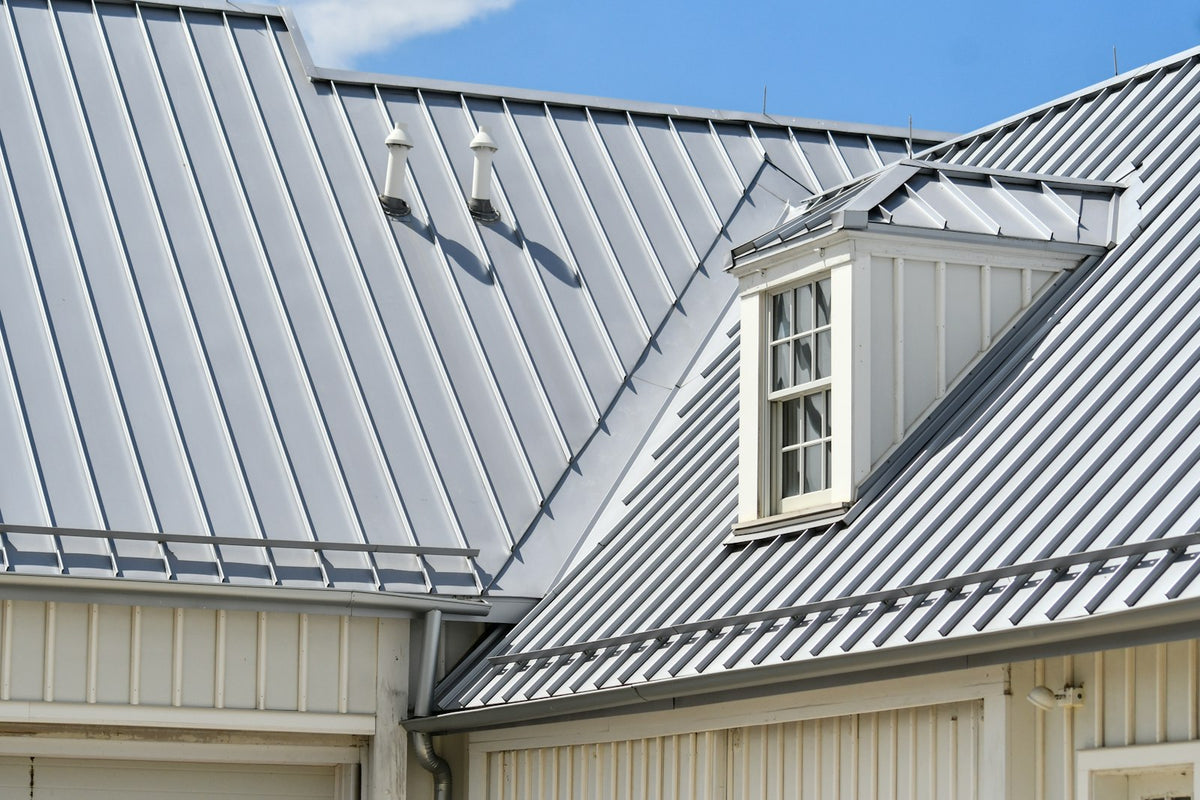
The practical rule: a standing seam estimate lives and dies in the trim. The field panels are the easy part. The dozens of linear feet of eave trim, rake trim, ridge cap, Z-closures, pipe boots, and sidewall/endwall flashing — each a separate fabricated piece — are where a metal scope either gets fully written or quietly loses a third of its value.
The Metal Line Items That Go Missing
Asphalt estimators who move to metal keep writing asphalt scopes with the shingle line swapped out. The result is systematically incomplete. On a metal re-roof, confirm every one of these:
- Tear-off and disposal of the existing roof — and whether the new metal goes over or on a fresh deck. "Over existing asphalt" is sometimes permitted by code and manufacturer, and it changes the underlayment and fastening scope entirely.
- High-temp, self-adhering underlayment. Most metal manufacturers require a high-temperature (often 240°F+ rated) underlayment, not standard synthetic. Different line item, different price. This is the metal equivalent of the felt-suffix mistake.
- Every trim condition by linear foot. Eave/drip, rake/gable, ridge cap, hip cap, valley (W-valley on open valleys), sidewall and endwall flashing, transition flashing between pitches, and closures (foam or metal Z-closures) at the eave and ridge. Count them off the aerial report — every ridge, hip, valley, eave, and rake length is right there.
- Panel-specific accessories. Clips and fasteners for standing seam; starter and gable accessories for steel shingle; sealant tape and butyl at laps.
- Pipe boots rated for metal (the flexible, high-temp, oversized flashing kits), not the asphalt boot.
- Snow retention where climate or code calls for it — a separate and surprisingly expensive line.
- Steep and high charges apply to metal just as to asphalt, and metal panel handling on a steep two-story is a legitimate labor premium on top. Specify the labor model honestly.
- Decking replacement readiness — and on standing seam over purlins, the purlin line itself.
Xactimate carries dedicated metal roofing selectors (standing seam, corrugated/ribbed, stone-coated steel shingle) and separate trim items; the mistake is almost never that the item doesn't exist. It's that the estimator doesn't go looking for it. A metal-specific macro exists precisely so you don't have to remember 30 trim and accessory lines at 9 PM.
The Repair-vs-Replace Fight Is Bigger on Metal
On asphalt, hail damage is a bruise test and a match test. On metal, the argument changes shape:
- Dents that don't leak. Carriers love to call hail dents on metal "cosmetic." Many policies now carry a cosmetic damage exclusion on metal roofing specifically — the same endorsement we flagged in our Class 4 shingle guide. Know whether the homeowner's policy has one before you promise a replacement.
- Panel matching. A standing seam panel replaced ten years after the original will not match in finish, color fade, or profile — and partial replacements often can't be seamed cleanly into existing runs. This is a legitimate, documentable "no reasonable match" argument, but it has to be made with manufacturer spec sheets and photos, not adjectives.
- Finish damage is functional damage. Hail that fractures the PVDF/SMP coating exposes the substrate to corrosion. Photograph coating fractures up close with a scale reference; that photo turns "cosmetic dent" into "compromised finish warranty."
Document like a metal specialist — panel system, gauge, finish, manufacturer, and the warranty terms — because the carrier's desk reviewer is reading your scope through an asphalt lens.
Protecting Margins When Metal Prices Move
Here's the 2026-specific problem: a metal bid signed in March may be installed in June, and the panel quote may have moved 10%+ in between. Metal-intensive systems can see tariff-sensitive materials make up a double-digit share of the job, so a price swing moves your margin by whole points. Four protections:
- Quote with an expiration. 15–30 days on metal bids, in writing, and re-quote if the signature comes later.
- Use a material escalation clause on retail metal contracts — the standard move among sheet-metal contractors this year. Tie it to your supplier's actual quote, not a vague "market conditions."
- Lock the order early. Once the contract is signed, order the panels. Carrying the inventory risk for three weeks beats carrying the price risk for three months.
- Keep the price list current — and adjusted when it lags. Verisk's regional price lists update monthly, but a tariff-driven spike can outrun the list. When your real metal cost exceeds the list, adjust the component price and document it with the supplier quote attached. On insurance work, that documented override is the difference between absorbing a tariff and getting paid for one.
Building the Metal Macro Library
Because metal scopes are long and trim-heavy, they're the single best argument for macros on the whole site. The structure that works:
- One base macro per system — standing seam, steel shingle, corrugated/exposed-fastener — each with the correct panel selector, high-temp underlayment, full trim set, closures, accessories, and steep/high charges in by default.
- Add-on macros for chimney, skylight, snow retention, and pitch-transition details.
- A trim checklist in the F9 notes of the base macro: "Confirm LF for eave, rake, ridge, hip, valley, sidewall, endwall, transitions." The macro inserts the items; the note makes you verify the quantities against the aerial report.
If you'd rather not spend a season assembling that from scratch, the Complete Standing Seam and Complete Steel Shingle macros ship with the trim set and accessories built in — the thirty-line scope, one insert, then adjust quantities to the roof.
The Bottom Line
Metal is where residential roofing is growing, and in 2026 it's where pricing discipline matters most. Treat standing seam and steel shingle as the distinct systems they are, write the trim like it's the job (because it is), document finish and matching like a specialist, protect the bid against a market that moves monthly, and build the scope into a macro so no eave trim ever gets donated to the carrier again.
The panels are the easy part. Get paid for everything else.
Share:
9 Common Xactimate Mistakes That Cost Roofers Money on Every Estimate