

Roofer Resource and News

Xactimate Certification Levels 1, 2, and 3: Are They Worth It for Roofers?
Xactimate offers three certification levels, and every roofer eventually wonders whether the credential is worth the time and money. This guide breaks down what each level actually tests, how the exams work, what they cost, and — most importantly — an honest answer on when certification pays off for a roofing business and when your hours are better spent building raw estimating proficiency instead.

Synthetic Underlayment vs. Felt: What the Data Says for Residential Roofs
Felt has covered roof decks for a century; synthetics have been eating its market share for two decades. This guide cuts through the marketing to what the data actually shows — tear strength, exposure tolerance, vapor behavior, coverage, and cost per square — plus the ASTM standards that finally let you compare the two honestly, the code rules that govern how underlayment is applied, the one thing synthetic can't replace, and how to scope each option correctly in the estimate.

Xactimate vs. Symbility (Now Cotality): Which Should Roofers Learn First?
Xactimate and Symbility — now rebranded as Cotality — are the two estimating platforms that dominate insurance restoration, and every roofer eventually asks which one to learn. This head-to-head comparison breaks down who uses each platform, how they differ in sketching, pricing, and workflow, what each costs, and gives a clear answer on where a residential roofer's training time pays off first.

Roof Ventilation Requirements Explained: Ridge Vents, Box Vents, and the 1/300 Rule
Most roofers can recite "the 1/300 rule" — and most are quoting the exception, not the code. This guide sets the record straight on attic ventilation for residential roofing: what IRC R806 actually requires (the 1/150 baseline and how to earn the 1/300 reduction), how to calculate net free area in five minutes, the intake-exhaust balance that makes ventilation actually work, ridge vs. box vs. power vents, and how to scope ventilation correctly in the estimate.
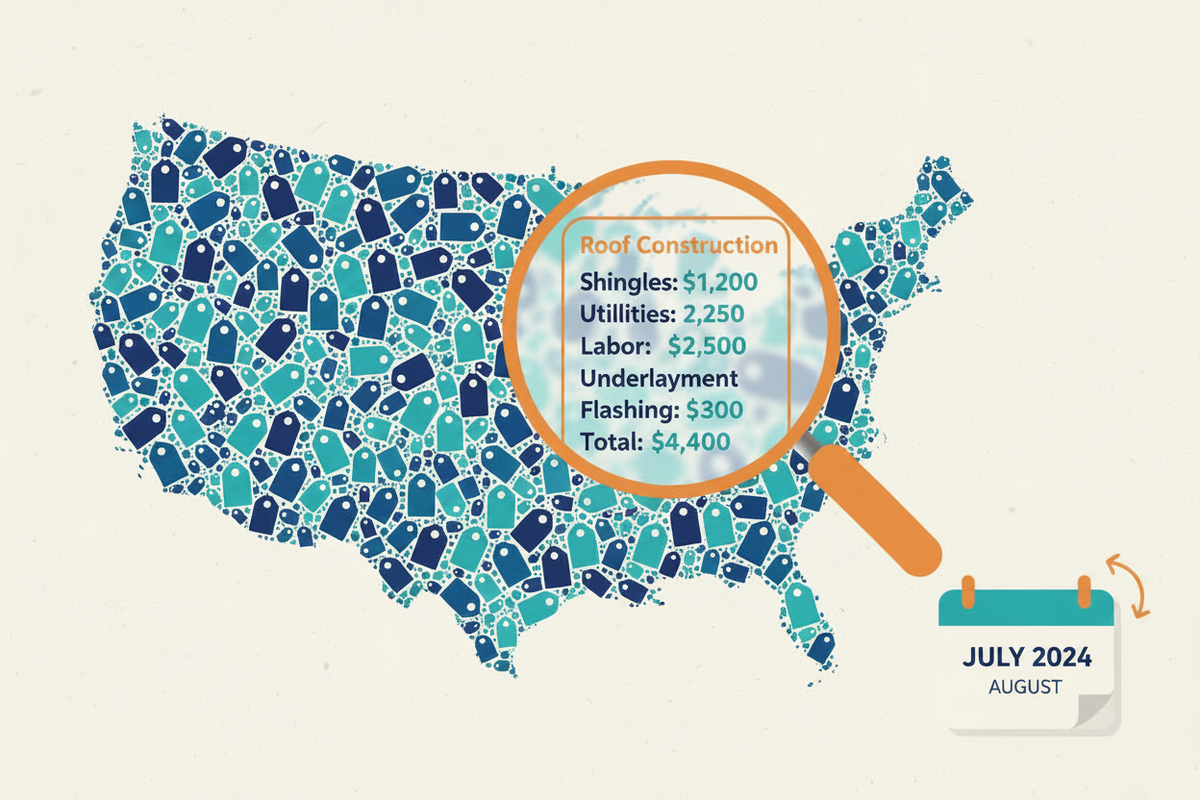
The Roofer's Guide to Xactimate Price Lists: How Pricing Updates Affect Your Estimates
Every number in your Xactimate estimate flows from one source: the price list. This guide explains how Verisk builds and updates its localized price lists, why prices change monthly (and faster after storms), how the "Completed estimate" feedback loop quietly shapes future pricing, and the practical rules every roofer should follow — from always estimating on the current list to knowing when and how to adjust a price the list gets wrong.
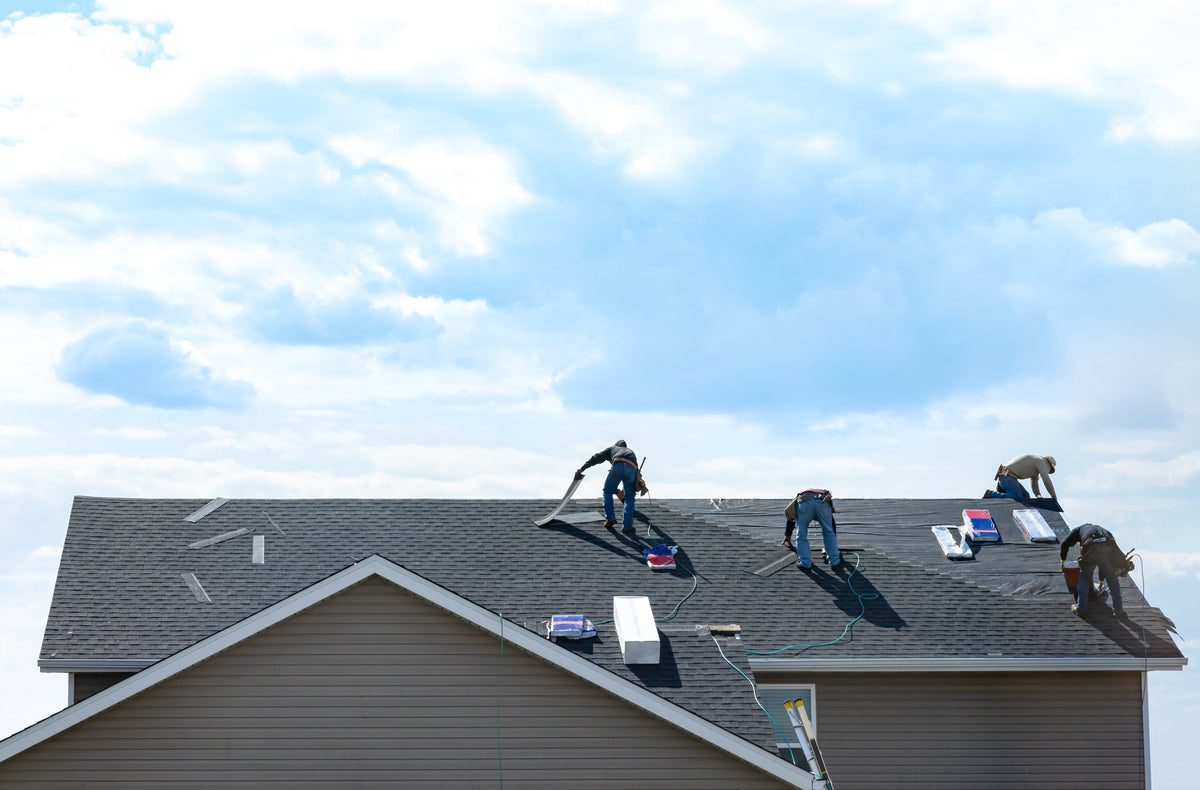
How to Set Up Xactimate Templates and Macros for Steep-Slope Roofing
Steep-slope roofs punish sloppy estimating — extra labor, harness time, staging, and charges that vanish from scopes because nobody built them into the system. This guide walks through setting up Xactimate templates and macros specifically for steep-slope residential work: what belongs in your base macro, how to layer add-on macros for chimneys and dormers, how to make steep and high charges impossible to forget, and how to organize a library your whole team can run.
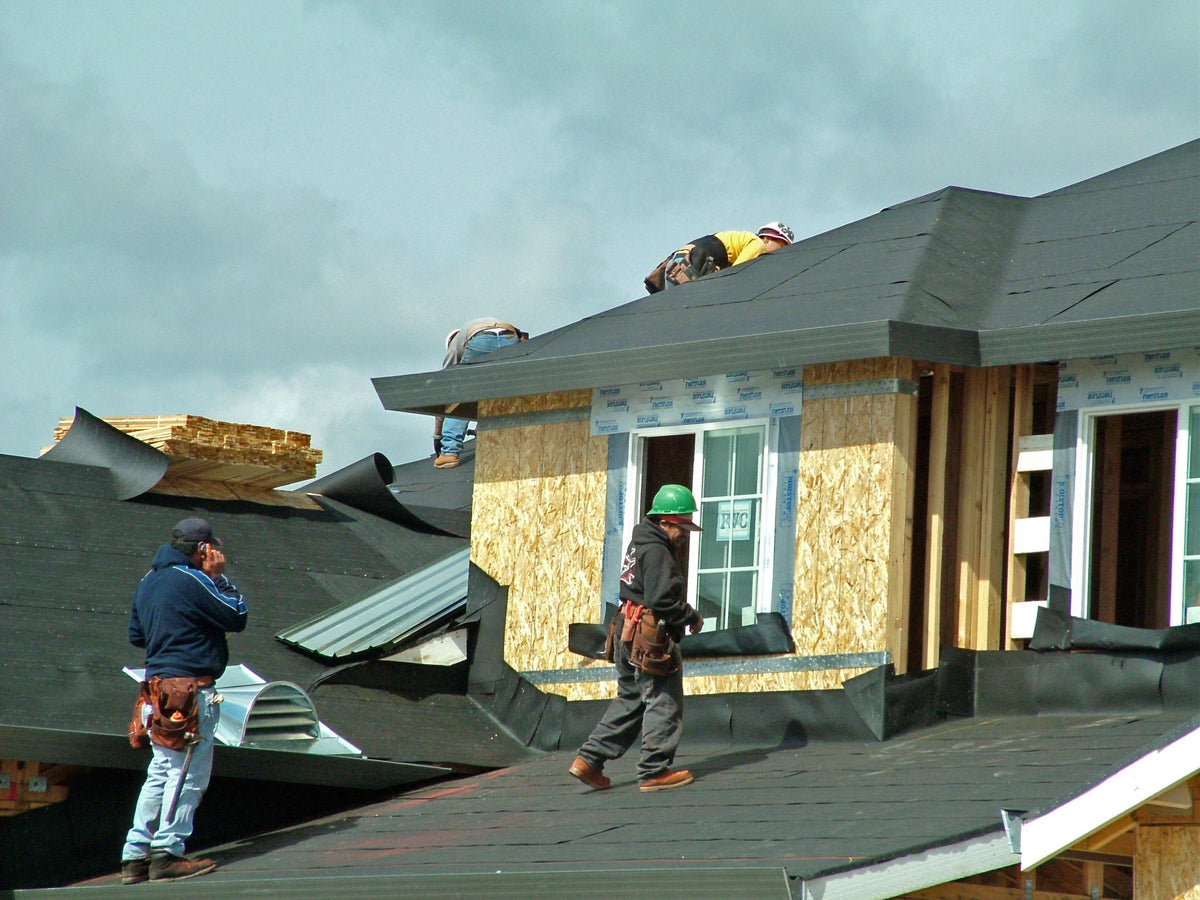
Three of the most important components on a residential roof are invisible the day the job is done — and missing from carrier scopes with suspicious regularity. This guide gives roofers the working knowledge for drip edge, starter strip, and ice & water shield: what the IRC actually requires (with section numbers), the installation sequencing that inspectors check, why manufacturer instructions carry code force, and how to document each item so it survives claim review.
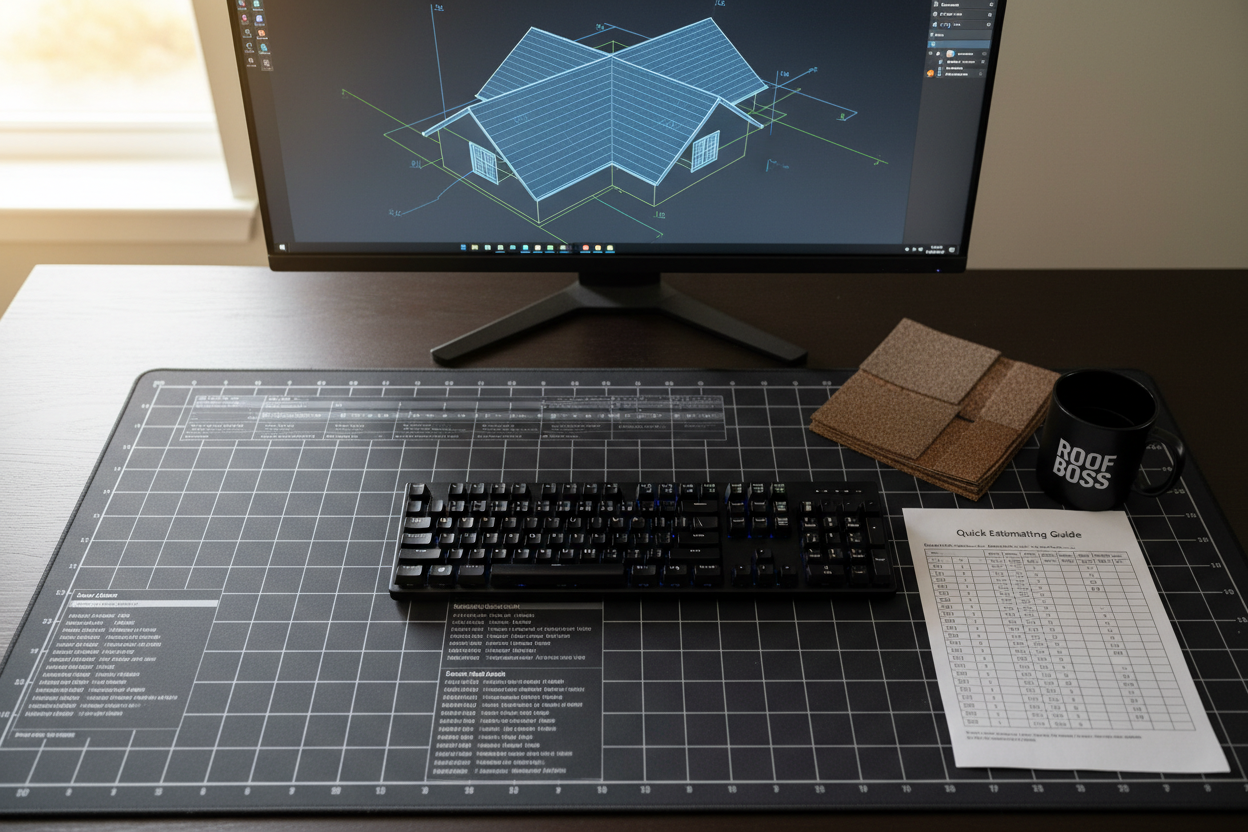
The 15 Most-Used Xactimate Line Item Codes for Residential Roofing (Cheat Sheet)
Stop hunting through 10,000+ line items every time you write a roof estimate. This cheat sheet covers the 15 Xactimate line item codes that appear on nearly every residential roofing claim — tear-off, shingles, underlayment, flashing, steep charges, and more — plus the units they're measured in, the ones carriers most often leave off, and how to turn this list into estimates that build themselves.

Architectural vs. 3-Tab Shingles: What Roofers Should Recommend in 2026
The architectural vs. 3-tab question comes up on nearly every residential job — and the answer roofers give shapes their margins, callbacks, and reputation for years. This guide breaks down the real differences in construction, wind ratings, lifespan, warranty, and cost; where 3-tab still legitimately makes sense; how to handle the conversation on insurance claims; and how to price and estimate each one correctly.